Main Menu
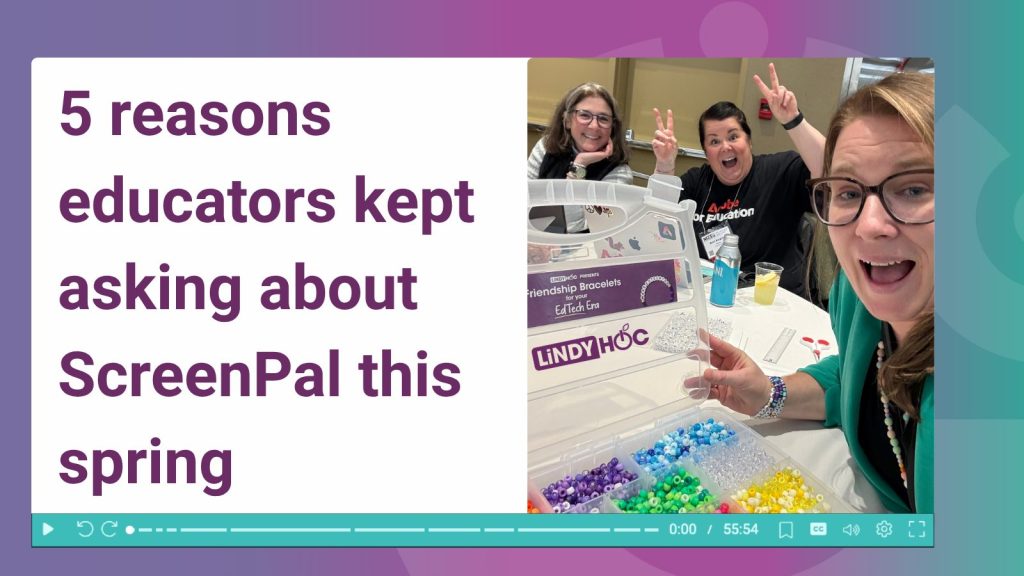
This spring I had the privilege of presenting at multiple educator events — FETC, NCCE, TCEA, UCET — all centered around the same big idea:
Video is not optional for educators anymore.
And every single time I shared ScreenPal with a room full of educators, the same thing happened. Hands went up. Questions came fast. People pulled out their devices to immediately create an account.
That doesn’t happen with every tool I share. So I started asking what was actually driving the reaction. What I heard wasn’t just enthusiasm for a tool. It was a set of real shifts happening in K-12 classrooms right now, and ScreenPal kept showing up as a solution to each one.
1. Teachers are done with complicated
There is a palpable exhaustion in education right now around technology that overpromises and underdelivers. Educators have been burned enough times by tools that their default posture toward anything new is skepticism.
One thing that breaks through that skepticism is speed. When I demo ScreenPal, the thing that gets the loudest reaction is how quickly you go from “I need to record something” to “done.”
Open the web recorder, hit record, hit stop, hit publish. Your video is in the cloud and a shareable link is already copied to your clipboard. No exporting. No uploading. No waiting. Teachers want tools that respect their time.
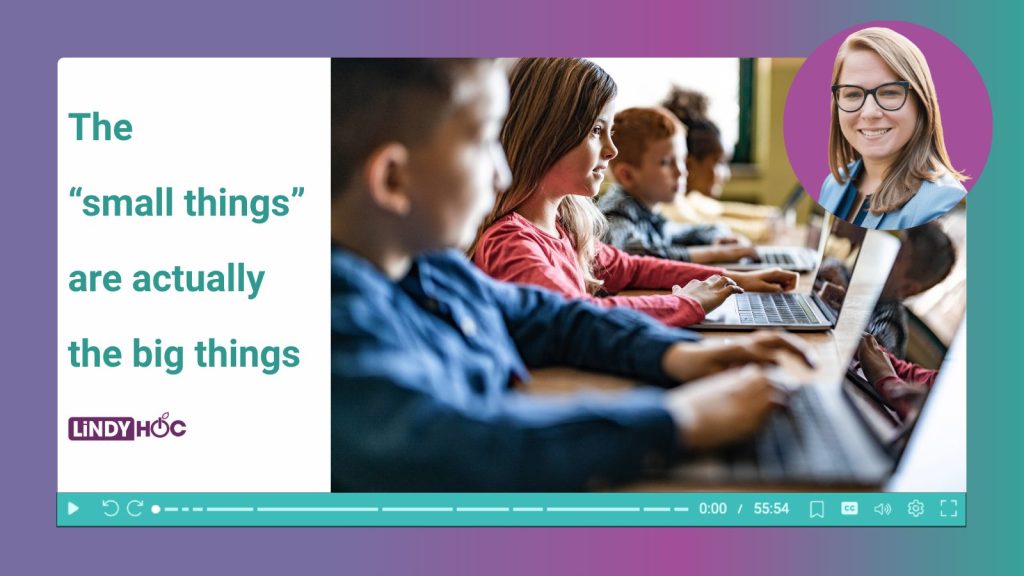
2. For educators, the “small things” are actually the big things
One of the most consistent patterns I see in EdTech adoption is that the features that look small are often the ones that make or break whether a teacher actually uses a tool.
An automatically copied link sounds like a minor detail. It is not a minor detail. One of the biggest friction points in getting educators to actually share videos with students is the multi-step shuffle of downloading, uploading, waiting, and copying. With ScreenPal, the moment you publish, the link is ready to paste into your LMS, your Google Classroom, or an email to a student. That one removed step is the difference between a tool teachers try once and a tool they use every week.
3. Storage and device limitations are killing video before it starts for educators
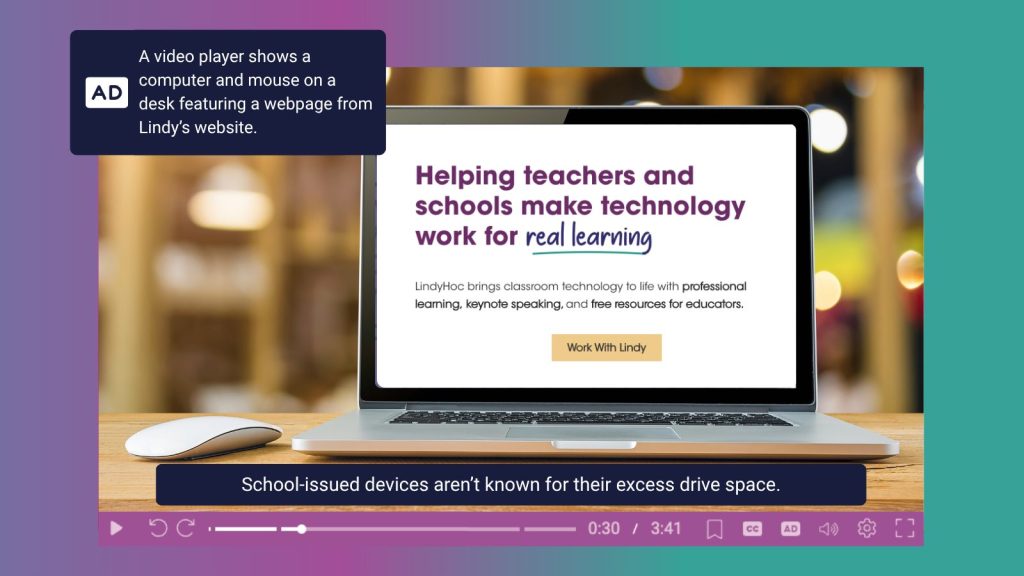
Here’s something that doesn’t get talked about enough but comes up constantly in real classrooms: school-issued devices aren’t exactly known for their excess hard drive space.
Educators are constantly managing what to delete to make room for what’s next, and video files are large. That reality quietly kills a lot of good intentions around video before they ever get started.
ScreenPal addresses this directly by offering unlimited hosting. This means teachers aren’t rationing recording time or deleting old videos to make room for new ones. The storage conversation disappears entirely, and teachers can focus on what they actually want to make.
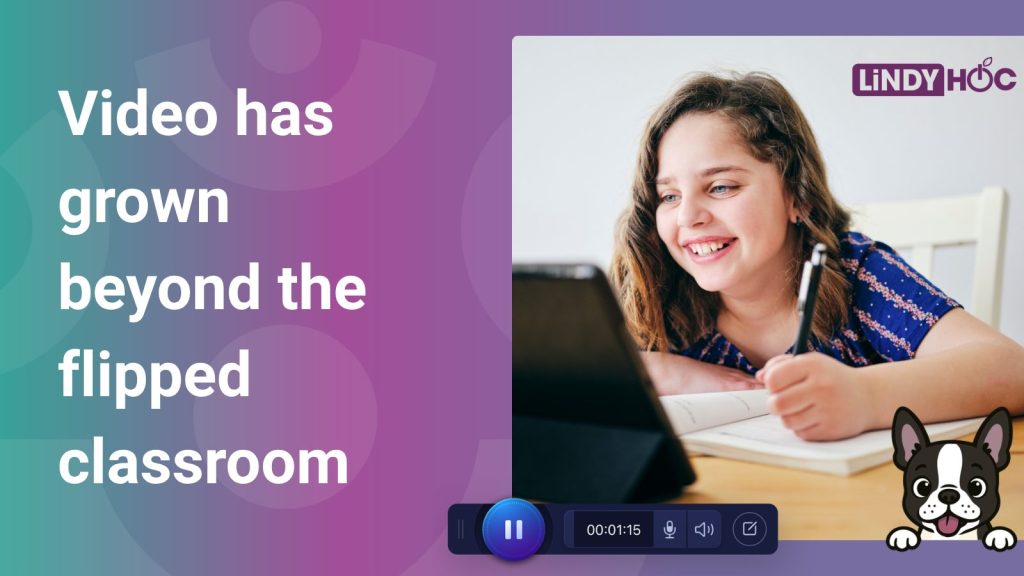
4. Video has grown beyond the flipped classroom
When most people think about teacher-created video, they picture instructional content. A “flipped” lesson. And yes, that use case is powerful. But what I’m seeing this spring is educators recognizing that video has a much bigger role to play in their day.
The teachers in my sessions light up when they realize the ScreenPal Chrome extension works just as well for parent communication, recording personalized feedback on student work, pep talks before big tests, and lesson introductions that set the tone as soon as students walk in the door.
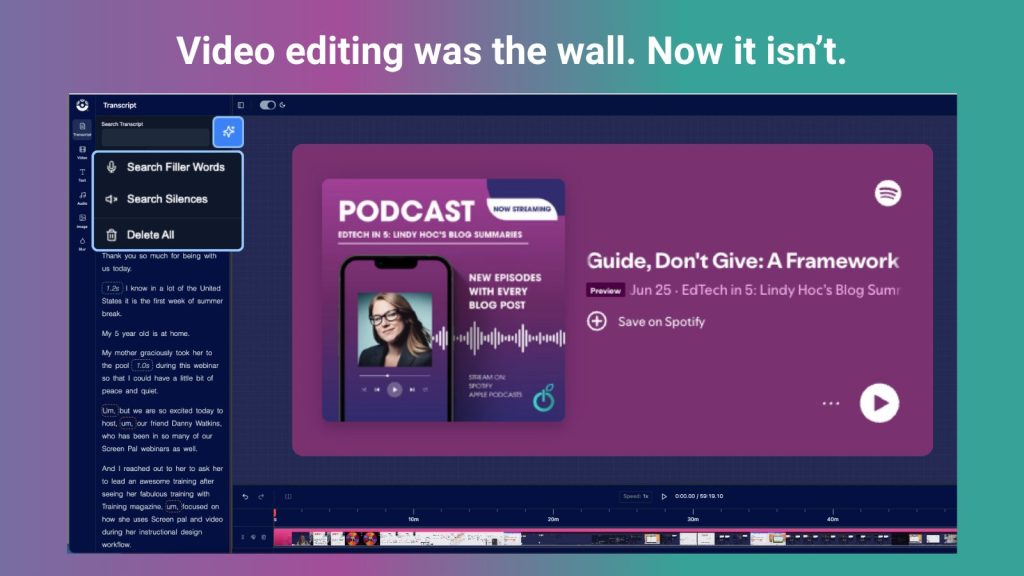
5. Video editing was the wall for many educators. Now it isn’t.
Ask any educator why they haven’t made more videos and you will hear some version of the same answer: I don’t have the time and/or skill for video editing. It’s time-consuming, technically intimidating, and for most educators it sits completely outside their wheelhouse. That barrier has been real and it has been persistent.
What I’m seeing change this year is that text-based editing is finally making video accessible to teachers who never thought it was for them. ScreenPal’s text-based editing feature in the online video editor works exactly like editing a Google Doc. Instead of scrubbing through a timeline to find the exact moment you said “um,” you search the auto-generated transcript and hit delete. Teachers who have never edited a video in their lives have walked out of my sessions this spring feeling like they can actually do this.
The barrier to educator-created video has never been the why. The research on student engagement, relationship-building, and belonging has made the case clearly for years. The barrier has always been the how. What I’m seeing this spring is that the how is finally catching up. ScreenPal makes video realistic for a teacher with a school-issued Chromebook, 20 minutes of prep time, and zero interest in becoming a video editor.
So go hit record.